Experience the Profound History and Breathtaking Splendor of San Antonio Missions National Historical Park
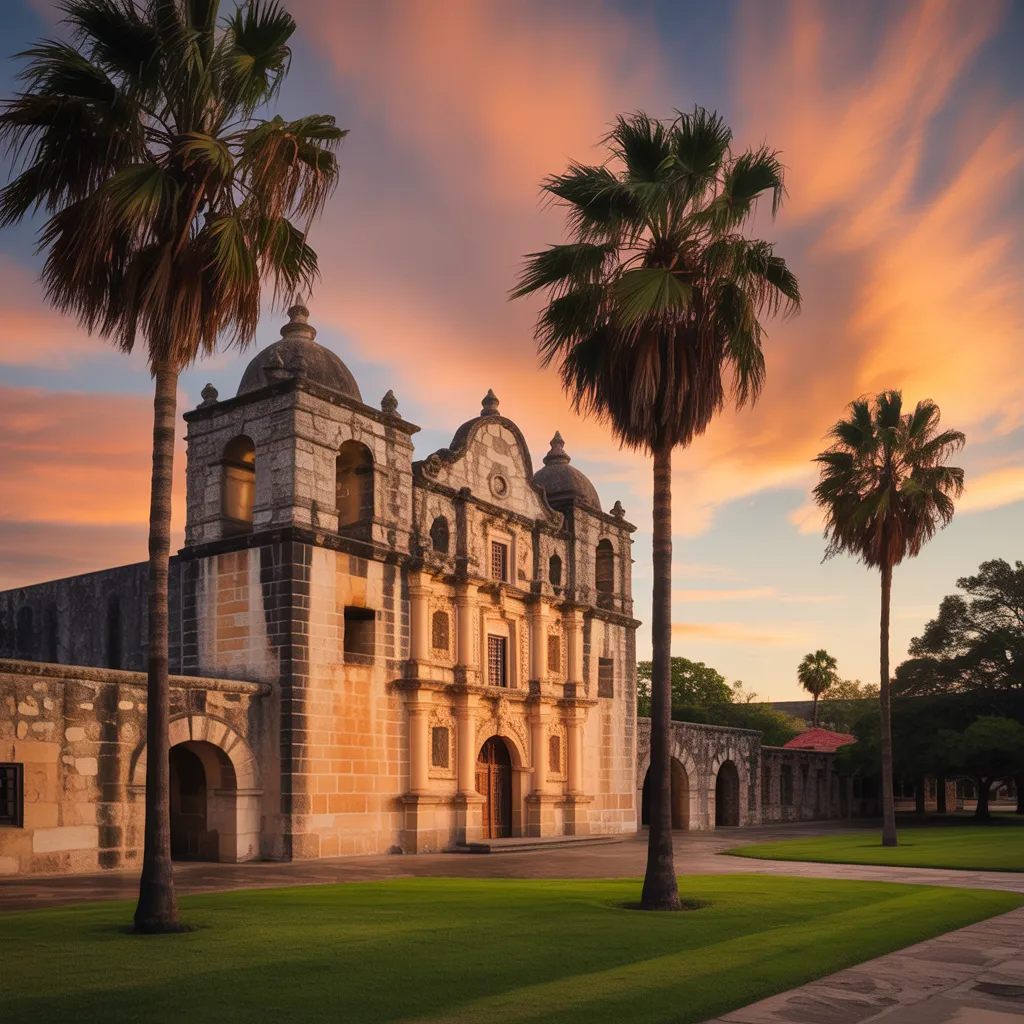
San Antonio Missions National Historical Park constitutes a homage to the 18th-century Spanish colonization in North America. Its establishments served not only as religious centers but also as focal points of agricultural development. Visitors can explore through these heritage locations while savoring the tranquil atmosphere of the adjacent terrain. The park provides more than just historical significance; it fosters exploration and participation. What lies in store beyond the religious complexes and walking routes may impress those who go deeper.
The Heritage Value of the Mission Locations
Rarely overlooked, the San Antonio Missions carry profound historical weight as essential centers of cultural cooperation and religious influence in the 18th century. Established by Spanish colonists, these missions served as focal points for the growth of Christianity within Indigenous populations. They facilitated the introduction of European farming practices, livestock, and architecture, reshaping local traditions.
The establishments also operated as focal points for trade and interpersonal connections, promoting bonds between diverse cultural groups. Their strategic locations along the San Antonio River made possible the establishment of a framework that connected numerous communities, supporting both commercial and cultural development.
As a result, the missions occupied a significant place in the expanded context of Spanish colonization in North America. Today, they serve as a symbol to the complex interplay of societies, showcasing the endurance and versatility of both the Indigenous peoples and the Spanish settlers in this historical narrative.
A Close Study of Each Assignment
Each structure within the San Antonio Missions National Historical Park provides unique insights into the region's Spanish colonial heritage. Mission San Antonio de Padua, Mission San José y San Miguel de Aguayo, and Mission Concepción each showcase different design elements and historical narratives. By exploring these historic structures, visitors can develop a deeper understanding of their historical and cultural importance.
Mission San Antonio De Padua is a ancient European mission located in California. The establishment was founded in 1771 and functioned as a spiritual center for native communities. Tourists can discover the beautiful architecture and learn about the rich heritage of the site.
Mission San Antonio de Padua, one of the ancient missions in California, serves as a testament to the region's rich history and cultural legacy. Founded in 1771, it was the third mission established by Spanish Franciscan missionaries. Situated in a picturesque valley near the Salinas River, it showcases stunning architecture, featuring a charming adobe church characterized by its unique bell tower. The mission served as a vital farming center, greatly impacting the local community and economy. Its meticulously maintained grounds, featuring gardens and historic structures, invite visitors to explore the daily lives of the missionaries and Native Americans. Today, Mission San Antonio de Padua remains an essential site for comprehending California's early interactions between different cultures and the spread of Christianity.
Mission San José Y San Miguel De Aguayo is a historic site that represents Spanish colonial architecture and legacy.
Established in the year 1720, Mission San José y San Miguel de Aguayo stands as a important landmark in Texas history, representing the merging of Spanish colonial architecture and native cultural elements. Often called the "Queen of the Missions," it served as a hub for religious, agricultural, and cultural pursuits. The mission's fine stone carvings, including the well-known Rose Window, demonstrate the craftsmanship of the era. It included a granary, a convent, and a carefully planned layout that supported community life. Mission San José was instrumental in converting local Native Americans to Christianity while fostering agricultural practices. Today, it remains a tribute to the resilience of both Spanish and indigenous peoples, drawing visitors enthusiastic to explore its rich heritage.
Mission Concepción Heritage
Although frequently overlooked by its larger counterparts, Mission Concepción maintains a unique place in the history of Texas' Spanish missions. Founded in 1731, it is one of the oldest missions in the area, originally established in East Texas before moving to its present site in San Antonio. The mission is notable for its carefully maintained architecture, including a striking stone church featuring a distinctive baroque exterior. Its primary purpose was to evangelize the Native American populations, particularly the Coahuiltecan tribes. Mission Concepción served as an essential role in the cultural and spiritual development of the region, serving as a center for education and agriculture. Currently, it stands as a monument to the endurance of the mission system and the diverse history of Texas.
Discovering the Pristine Terrain
San Antonio Missions National Historical Park features a rich tapestry of diverse flora and fauna that elevates its scenic appeal. Scenic river trails meander across the landscape, providing visitors an opportunity to appreciate the area's biodiversity. This unique environment not only sustains wildlife but also invites exploration and discovery.
Extensive Flora and Animal Diversity
The natural landscape of the San Antonio Missions National Historical Park is a colorful composition of assorted plants and animals that demonstrates the region's rich ecological heritage. The park's ecosystems range from fertile streamside habitats to dry highland areas, maintaining a range of plant species such as mesquite, live oak, and wildflowers. Wildlife flourishes here, with species including deer, coyotes, and numerous birds San Antonio Missions National Historical Park weather dwelling in the area. Additionally, the park acts as a critical habitat for migratory birds, making it an essential stopover point. Visitors can observe the delicate connections between these organisms, as well as the influence of seasonal changes on the landscape. This biodiversity not only beautifies the park's beauty but also contributes to its ecological significance.
Scenic River Trails
Meandering through the core of the park, the scenic river trails give visitors an immersive experience of the natural landscape. These pathways meander alongside the San Antonio River, showcasing the peaceful beauty of dense greenery and colorful wildflowers. As one strolls or cycles along the trails, the sounds of rustling leaves and chirping birds create a symphony of nature that calms the spirit. The trails lead to different viewpoints, allowing visitors to pause and appreciate the calm waters and the diverse wildlife inhabiting the area. Along the path, informational signs enhance the journey by providing insights into the region's ecology and history. Overall, the scenic river trails invite exploration and appreciation of the park's unique natural heritage.
Trails and Recreational Activities
While exploring the extensive heritage of San Antonio Missions National Historical Park, visitors can also engage in a range of trails and outdoor pursuits. The park offers several carefully preserved trails that meander through lush landscapes and historic sites, enabling guests to enjoy both nature and history. The Mission Trail, a highlight, connects all four missions, providing a scenic route for hiking and biking.
Birdwatching fans will find diverse avian species along the park's water features and clearings. Additionally, groups can appreciate picnicking in specific locations, where the peaceful setting promotes relaxation. For those pursuing a closer connection with nature, interpretive programs often highlight native plants and animals, enriching the outdoor experience. The park's dedication to preserving its heritage and environmental assets provides an ideal backdrop for leisure activities, guaranteeing visitors depart with unforgettable recollections of both adventure and education.
Visitor Resource and Helpful Pointers
Anyone planning a trip to San Antonio Missions National Historical Park will benefit from knowing key information to enhance their experience. The park is accessible year-round and has no entrance fee, making it open to everyone. Comfortable walking shoes are advised, as exploring the missions and trails can require considerable walking. Visitors should also pay attention to the weather, because summer temperatures can be high; mornings and evenings are usually cooler and more enjoyable for outdoor activities.
Parking is available near the missions, but it can fill quickly during weekends and holidays. To make the most out of the visit, it is recommended to start at the visitor center, where helpful resources and maps are provided. Additionally, bringing water and snacks will guarantee a pleasant day of exploration. Finally, visitors should be respectful of the historical sites, holding the area clean and adhering to park regulations.
Events and Learning Initiatives
San Antonio Missions National Historical Park provides a variety of programs and events created to involve guests across all age groups. These programs feature tours with guides, workshops, and exhibits that highlight the rich cultural heritage of the missions. Periodic events such as "Mission Heritage Days" invite families to explore traditional crafts, music, and food, building a sense of community and connection to the past.
In addition, the park conducts ranger-led talks that delve into the history and significance of the missions, keeping them understandable and engaging for all visitors. Educational programs also engage with school groups, furnishing tailored activities that align with educational standards. These initiatives motivate hands-on learning and support stewardship of the park's historical resources. By introducing diverse programming, San Antonio Missions National Historical Park promises that every visitor can experience the unique stories and natural beauty of this UNESCO World Heritage site.
Often Posed Inquiries
Are Animals Allowed in San Antonio Missions National Historical Park?
Animals cannot enter San Antonio Missions National Historical Park to protect the natural environment and guarantee the safety of those visiting. However, service animals are allowed, following federal regulations for assistance animals in public spaces.
What Times Does the Park Function Throughout the Year?
The park operates daily from 9 AM to 5 PM, with longer operating times during specific times of year. Guests should review the official site for any changes to hours or unique activities during the year.
What is the Entrance Fee for Visiting the Park?
There is zero cost for visiting the park, enabling visitors to explore its cultural and natural attractions without charge. However, donations are appreciated to help maintain the park's programs and facilities for future generations.
Can I Camp in the Park at Night?
Overnight lodging is not allowed within the park. Visitors seeking a camping experience must explore nearby campgrounds, which feature comfortable facilities and conveniences while letting them to enjoy the surrounding ecological splendor and historical importance.
Can Visitors join escorted tours?
Yes, structured tours are accessible for visitors. These tours offer perspectives into the park's historical significance and architecture, permitting guests to investigate the area with experienced professionals who enrich the experience through informative narratives.